Best Temperature for Ground Beef on Charcoal Grill
meat temp chart And Food Safety
Knowing the proper meat temperatures at which to cook or grill your foods is extremely important. Undercooked or raw foods can be hazardous and cause diseases.
Sometimes meats are not cooked to safe temperatures; for example, steak medium-rare is cooked to 130F to 135F degrees, but according to foodandsafety.gov, beef, lamb, and pork should be cooked to a temperature of at least 145F degrees. The USDA also has minimum cooking temperature recommendations and lists the minimum safe temperature for steaks at 145F degrees.
These recommendations should be followed as harmful bacteria cannot be seen or tasted but can cause serious diseases. Knowing the proper temperatures to cook your meats is important, and guessing when your food is done or undercooking your meats can be risky. Whether pork, chicken, or turkey, cooking meats should be done following the USDA Food Safety recommendations.
It is recommended never to guess or presume meats' internal temperature. Follow the USDA minimum meat temperature recommendations and use a temperature gauge to check the meat's temperature. You do not need anything fancy; a simple food temperature thermometer will do the job.
meat temp chart – We have created a Safe minimum Internal Temperature Chart referencing the USDA Food Safety Education.
| Meat | Temperatures | USDA Internal Temp & Rest Time |
|---|---|---|
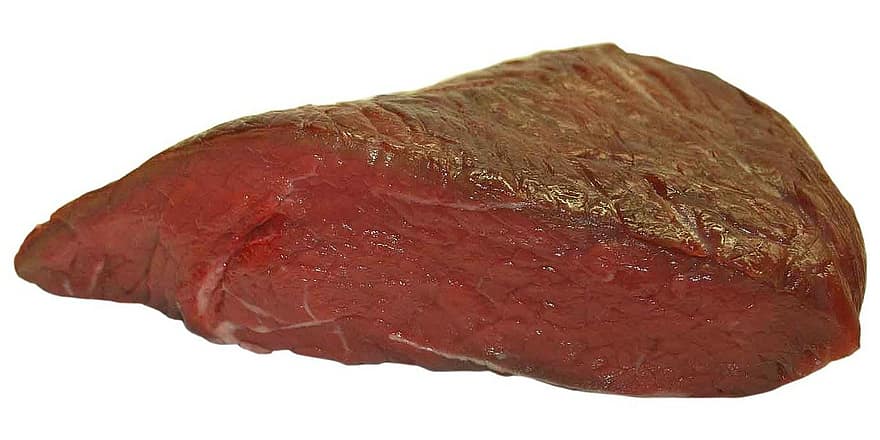 Steak/Beef Steak/Beef | 145 °F (62.8 °C) and allow to rest for at least 3 minutes | |
Rare  | 120 F – 125 F (48.9 C to 51.6 C) | |
| Medium-rare | 130 F – 135 F (54.4 C to 57.2 C) | |
| Medium | 140 F – 145 F (60 C to 62.8 C) | |
| Medium-well | 150 F – 155 F (65.5 C to 68.3 C) | |
| Well done | 160 F (71.1 C) and above | |
 Lamb Lamb | USDA Internal Temperature & Rest Time | |
| Rare | 135 F (57.2 C) | 145 °F (62.8 °C) and allow to rest for at least 3 minutes |
| Medium-rare | 140 F – 150 F (60 C to 65.5 C) | |
| Medium | 160 (71.1 C) | |
| Well done | 165 (73.9 C) and above | |
 Poultry Poultry | USDA Internal Temperature & Rest Time | |
| Chicken | 165 F – 175 F (73.9 C to 80 C) | 165 °F (73.9 °C) |
| Turkey | 165° F – 175 F (73.9 C to 80 C) | 165 °F (73.9 °C) |
| Eggs | 160 F | 165 °F (73.9 °C) |
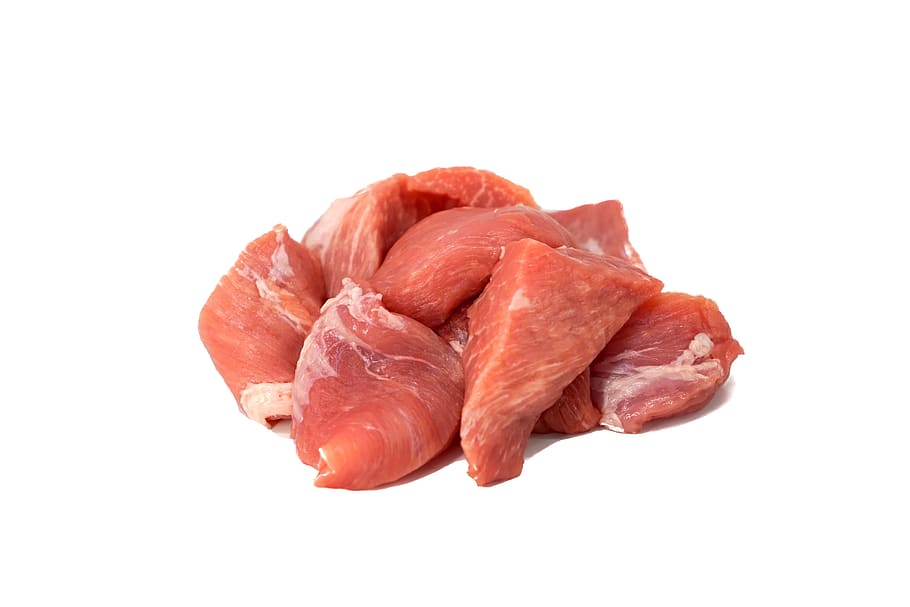 Pork Pork | 145 F (62.8 C) | 145 °F (62.8 °C) and allow to rest for at least 3 minutes |
| Ham, Fresh or Smoked (uncooked) | 145 F | 145 °F (62.8 °C) and allow to rest for at least 3 minutes |
| Ham, Fully Cooked (to reheat)* | 140 F (60 C) | Reheat cooked hams packaged in USDA-inspected plants to 140 °F (60 °C) and all others to 165 °F (73.9 °C). |
| Ground Poultry | 165 F (73.9 C) | 165 °F |
| Ground Meat | 160 F (71.1 C) | 160 °F (71.1 °C) |
| Fish and Shellfish | 145 F (62.8 C) | 145 °F (62.8 °C) |
| Eggs and Egg Dishes | 160 F (71.1 C) | 160 °F (71.1 °C) |
| Casseroles | 160 F (71.1 C) | 165 °F (73.9 °C) |
| Stuffing, Dressing | 165 F (73.9 C) | |
| Reheated Leftovers | 165 F (73.9 C) | 165 °F (73.9 °C) |
| Holding Temperature for Cooked Food | 140 F (60 C) |
Food Handling Safety Tips – According to the USDA
Harmful bacteria cannot be detected by smell, taste, or seen; therefore, it is important to follow these food and safety tips from the USDA when handling food.
- Clean – Disinfect—Wash hands and kitchen surfaces often.
- Separate – Organize – Separate raw meat from other foods, do not allow contact. If you come into contact with raw food, wash your hands before touching other food.
- Cook Smart – Follow the temperature guide and cook to the right temperature.
- Chill – Refrigerate food promptly after coming back home from the market.
How to Check Your Thermometer for Accuracy
Being mindful of cooking temperatures is essential, but the tools used to measure meats' temperature also need to be accurate. One of the most common ways of checking meats' temperature is using an accurate food thermometer.
A food thermometer accuracy can be checked using the ice water method. Many use boiling water to test food thermometers' accuracy, but it is noteworthy to remember that the boiling point of water can be affected by altitude. So for those who live in areas at sea level, the boiling point of water is 212 F. Still, for someone who leaves in 6000 feet above sea level, the water boiling point is 200 Degrees F. That's a 12-degree difference which can undoubtedly impact how well you cook your meats, which why the ice water thermometer testing and calibration method is favored.
How to use the ice water thermometer accuracy test
How do you calibrate a thermometer with ice water?
- Fill a tall glass cup or container with ice cubes or crushed ice to the top.
- Add water to the container but leave about a half an inch gap from the top of the ice. Be sure to pour the water over the ice gently.
- Insert the thermometer stem or probe deep into the water, but do not let the thermometer touch the glass or whatever container you are using to avoid false readings.
- Agitate the water with the thermometer for a few seconds; if the thermometer reads 32 degrees F or 0 degrees C the thermometer is accurate, dialed in, and ready to use. Some thermometers can be calibrated following the manufactures instructions.
Source: https://www.bbqgrillacademy.com/meat-temperature-chart-and-food-safety/
0 Response to "Best Temperature for Ground Beef on Charcoal Grill"
Post a Comment